Sitting in God’s presence, the Holy Spirit troubled the waters of my soul just as He once stirred the superstitious perceptions at the Pool of Bethesda by presenting Himself without the need of a human interpretation of how healing happens. Jesus’ question in John 5:6 confronts us with disarming clarity: “Do you want to be made well?” It is not rhetorical. It is invasive. And it is a question many of us spend our entire lives avoiding.
Do we?
Because if we truly wanted to be well, why haven’t we obeyed the Ten Commandments; commands given not for God’s sake, but for ours? God does not need commandments to be holy. He is eternal, self-sustaining, and unassailable. No threat from quantum weaponry, artificial intelligence, nor the entire militarised cosmos can destabilise the One who calls Himself I AM. Nature has never raised the dead, but Jesus has.¹
And still, we choose to stare at the pool.
Charles Spurgeon exposes the tragedy: “A blindness had come over these people at the pool… they were so taken up with their own chosen way that the true way was neglected.”² How eerily modern. Our culture thrives on that same spiritual narcissism; craving wellness, but only on our terms. We want healing without yielding, deliverance without discipleship, resurrection without crucifixion. As David Guzik observes, “Some wait for a more convenient season. Some wait for dreams and visions. Some wait for signs and wonders. Some wait to be compelled. Some wait for a revival. Some wait for particular feelings. Some wait for a celebrity.”³ We perform the desire to be made whole while secretly negotiating for a version of God that accommodates our pride and preserves our paralysis.
In rehab, my counsellors used to say, “Many cry out to God for help, but when His answer shows up in unfamiliar packaging, they reject it.” How true. We script the way our salvation should look, preferably painless, affirming, and instantaneous, and dismiss anything that doesn’t suit our taste. As psychologist Shelly Rambo notes, trauma survivors often become attached to their suffering as a framework of meaning.⁴ Healing, then, feels like an identity crisis, not a gift.
My own journey through suicidation wasn’t romantic. It was 13 years of rewiring my neurological and theological circuitry to believe I was allowed to be alive. That I could want to be well. That survival wasn’t selfish. The path to healing didn’t look like light, it looked like obedience. It looked like staying. And eventually, it looked like dancing.
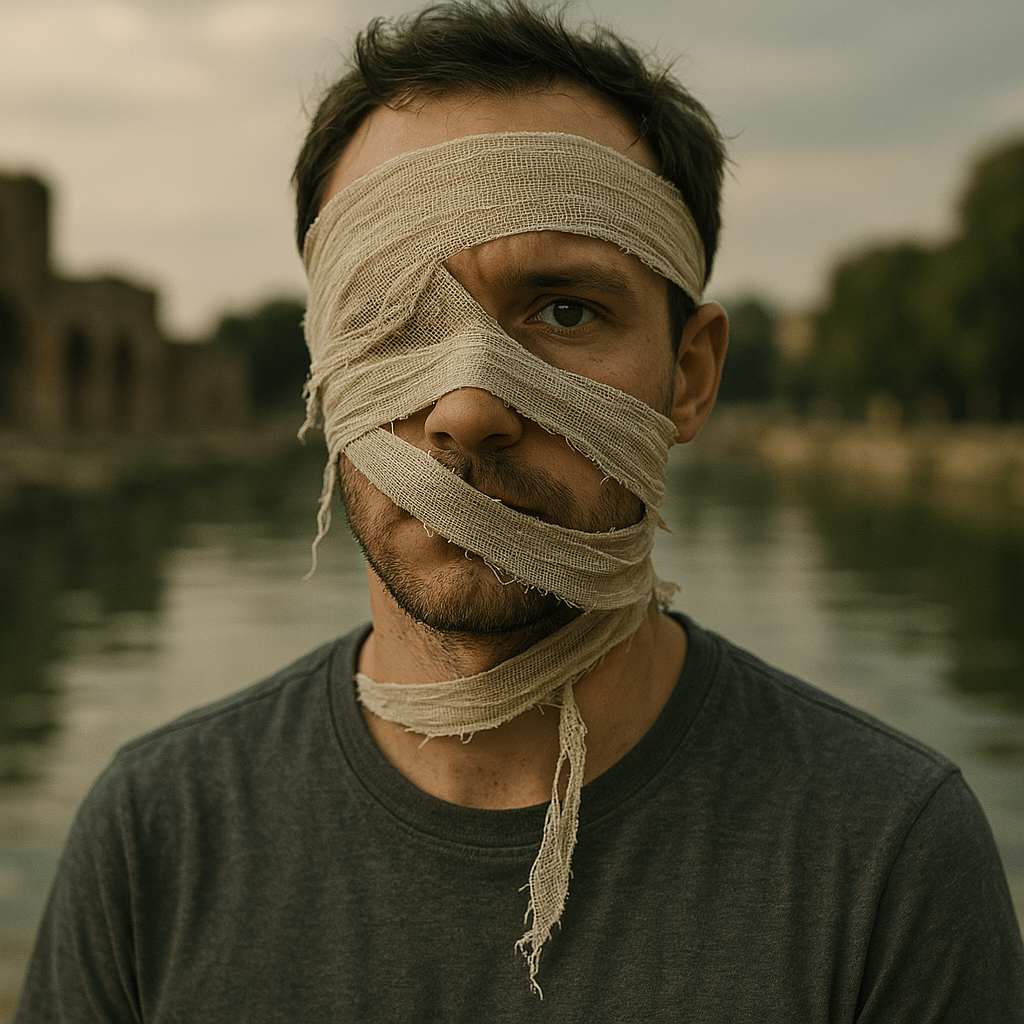
Yet even now, that healing is questioned. Just yesterday, someone “well-meaningly” advised me to tone myself down, less energy, less movement, less me. The implication was that my aliveness needed editing to be more profitable. That to succeed, I must contort myself into their image of maturity. But I’ve learned this: when society can’t control your healing, it will try to colonise it.
This is the narcissistic delusion humanity repeats, demanding that others be less alive so we don’t have to confront our own passivity. As South African psychologist Wahbie Long writes, “suffering, when turned inward without redemptive engagement, easily becomes a weapon wielded for attention and self-preservation.”⁵ We script our own stuckness and then blame God for not breaking us free.
Jesus’ question: “Do you want to be made well?” is not passive. It is the invitation of a non-coercive God who respects human agency enough to never force transformation. But make no mistake: He also refuses to indulge our victimhood. He offers wholeness, but never on terms negotiated by trauma. Healing requires participation. Grace can open the door, but it is obedience that walks through it.
Compare this to Nick Vujicic, born without limbs. His life could have been a theatre of pity, but he chose resilience over resignation. Today, he proclaims Christ across the globe, not as a miracle of physical restoration, but of social defiance and spiritual reliance.⁶ Nick’s story reminds us that healing is not the return of what was lost, but the birth of what is possible through surrender.
The Ten Commandments were not imposed to control us, but to preserve our humanity. As theologian Ellen Davis puts it, “Torah is God’s gift of a livable life.”⁷ When we violate it, we violate ourselves. The consequences are not divine revenge, they’re spiritual gravity.
So I’m asking you now, just as Jesus asked me, and you, and the man at the pool, do you want to be made well? This is not a theological curiosity. This is not a rhetorical question. This is your moment to choose.
Because if you do, then Jesus will say what He said then: “Rise, take up your mat, and walk.”
But if you don’t, He will not force you. He’ll walk on. And you’ll still be staring at the water.
But if you choose wellness, if you dare to rise, you will find that He has never once stopped waiting.
Practical Application

Today, take inventory of the areas in your life where you’ve been performing the desire for healing without truly surrendering to it. Ask yourself: What excuses have I baptised as identity? What mat have I chosen to remain on? Choose one action, however small, that reflects a decision to rise. That could mean confessing something to a trusted friend, deleting an unhealthy habit, making a counselling appointment, or simply praying honestly, “Lord, I want to want to be well.”
Prayer
Jesus,
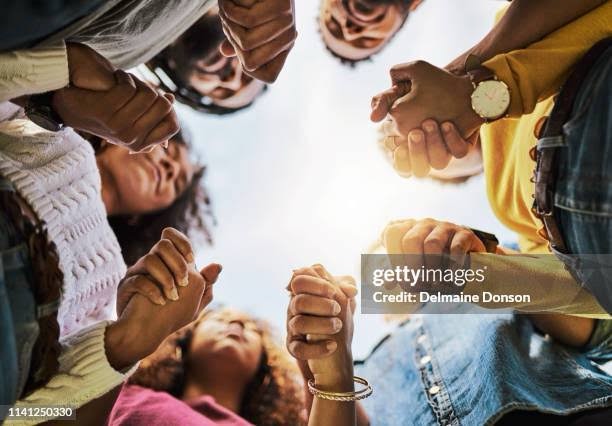
You see past the performances I give and into the paralysis I protect. You do not shame me, but You also do not indulge my illusions. Today, I confess that I have sometimes preferred the comfort of dysfunction over the courage of deliverance. I want to be made well. Stir the waters within me and help me fix my eyes on You, not on what I’ve imagined healing must look like. Teach me to rise, to walk, and to live from a place of wholeness that reflects Your grace.
Amen.
Bibliography

¹ Richard Bauckham, Jesus and the Eyewitnesses: The Gospels as Eyewitness Testimony, 2nd ed. (Grand Rapids: Eerdmans, 2017).
² Charles H. Spurgeon, Metropolitan Tabernacle Pulpit Sermons, Vol. 35 (London: Passmore & Alabaster, 1889), 114.
³ David Guzik, Enduring Word Commentary on John 5, accessed March 27, 2025, https://enduringword.com/bible-commentary/john-5/.
⁴ Shelly Rambo, Spirit and Trauma: A Theology of Remaining (Louisville: Westminster John Knox Press, 2010).
⁵ Wahbie Long, Nation on the Couch: Inside South Africa’s Mind (Johannesburg: MFBooks Joburg, 2021), 92.
⁶ Nick Vujicic, Life Without Limits: Inspiration for a Ridiculously Good Life (Colorado Springs: WaterBrook, 2010).
⁷ Ellen F. Davis, Getting Involved with God: Rediscovering the Old Testament (Lanham: Rowman & Littlefield, 2001), 66.

 #Hayibo