

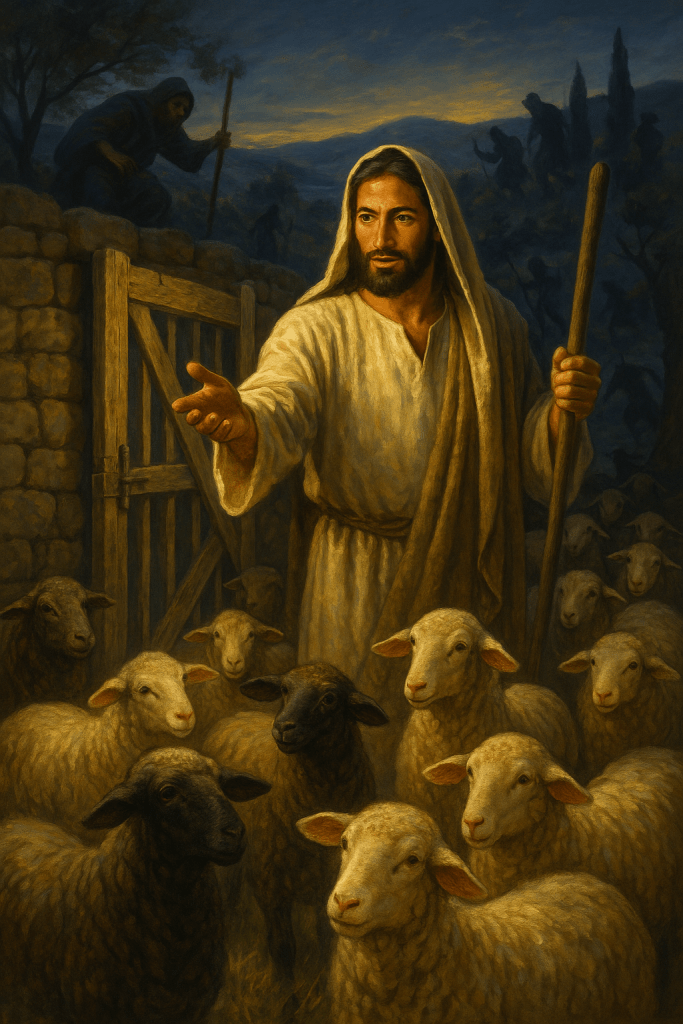
The Crisis of Voice and Identity
Growing up, I hated my father. He had beaten me unconscious more times than I can remember, and on two separate occasions, he tried to take my life. I despised the fact that I bore his name, Arion Johan Bezuidenhout. That name felt like a brand, linking me to pain, violence, and the lie that I was better off dead than alive. I had even planned to legally change it, to become Arion O’Dwyer, after my mother’s maiden name. Anything to sever the tie.
But years later, I discovered something surprising: Arion means brave, Johan means champion, and Bezuidenhout refers to the southern forest. My name told a story I hadn’t yet lived into, a brave champion of truth, growing and fighting through the wilds of South Africa. But before I could own that identity, I had to unlearn the false ideas imposed on me. I had to learn what truth is; and what it isn’t.
It’s been a long road of healing, with God’s grace leading me through church community, Christian counselling, His Word, and the quiet, but beautiful, voice of the Holy Spirit.
That’s why Jesus’ words in John 10:3–6 pierce so deeply: “He calls his own sheep by name… and they follow him, for they know his voice.” I know what it means to be misnamed by this world. But I am also learning what it means to be renamed by Christ- saved, chosen, beloved; royal priesthood, prince under the King. The voice that once cursed me is no longer the voice I follow. I belong to the Shepherd who knows my name.
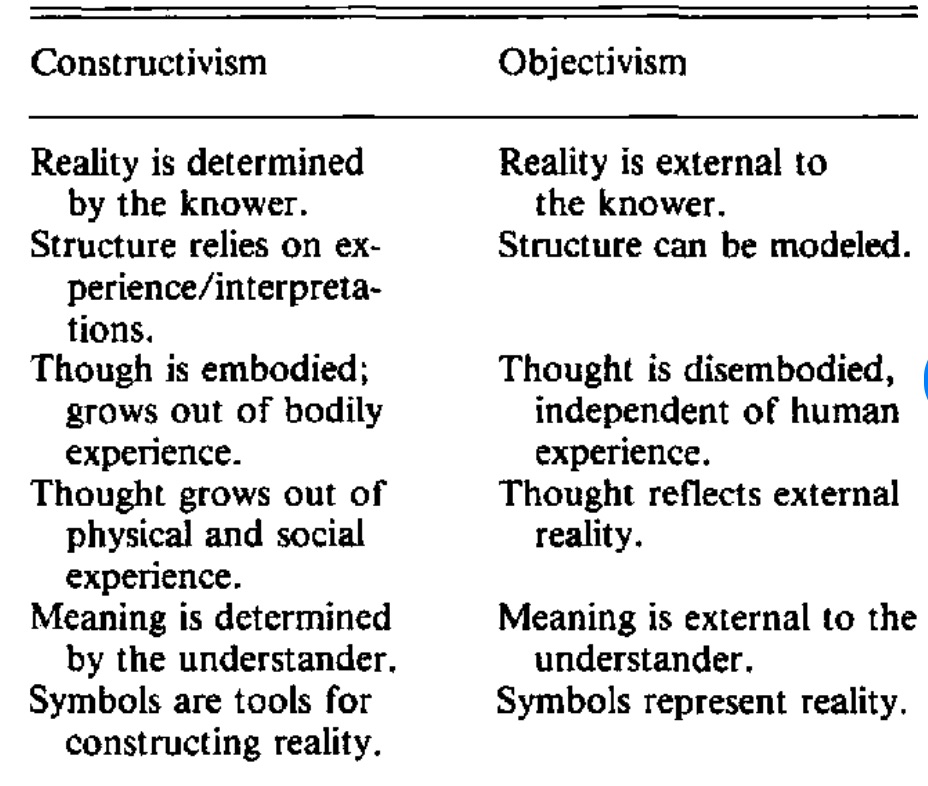
In an age saturated with self-definitions, curated personas, and identity claims that evolve with trends, a question quietly disrupts the noise: Is who you are something you discover, or something you invent?
Popular spiritualities and psychologies insist identity is self-made. As Deepak Chopra says, “Your identity is a choice. You can remake it anytime by shifting the story you tell yourself.”¹
Yet in John 10:3–6, Jesus offers an entirely different vision: identity is conferred. It is given by a voice that knows you, not constructed by a self that guesses.
The Biblical Image – John 10:3–6 as a Theology of Identity

“To him the doorkeeper opens, and the sheep hear his voice; and he calls his own sheep by name and leads them out… they know his voice.” — John 10:3–4
Jesus does not give generic callings or mass-produced blessings. He calls each sheep by name. Naming is not a bureaucratic formality, it is a conferring of recognition, belonging, and destiny.
Hans Frei writes, “What marks Christian self-identity is not so much that it is one narrative among others, but that it is the story in which all other stories find their meaning.”²
Voices of the Stranger – Constructed Identity and the Crisis of Self-Making
“Yet they will by no means follow a stranger… for they do not know the voice of strangers.” — John 10:5
Constructing your identity can feel like freedom, but often ends in fragmentation. The burden to define oneself in the absence of God invites strange voices to step in.
“You define yourself through your thoughts, emotions, and reactions. This is the ego,” writes Eckhart Tolle.³ Carl Rogers adds, “The organism has one basic tendency… to actualize, maintain, and enhance.”⁴
But Scripture warns: stranger voices may sound familiar, but they do not lead to life.
Theological Anchor – God as the Naming Authority
The identity Christ confers is not impersonal, it is incarnational. We are not defined by ideas, but by relationship.
Jonathan Edwards explains, “The essence of the Christian life is not in self-conception, but in union with the beauty and excellency of Christ.”⁵
Scott Hahn clarifies, “The concept of fatherhood reveals more than a metaphor; it expresses a divine reality that grounds our understanding of personal identity.”⁶
Even Anselm’s ontological vision reflects the conferral of meaning by God: “Thou art that than which nothing greater can be conceived.”⁷
Cultural Commentary – Who Gets to Name You in Today’s World?
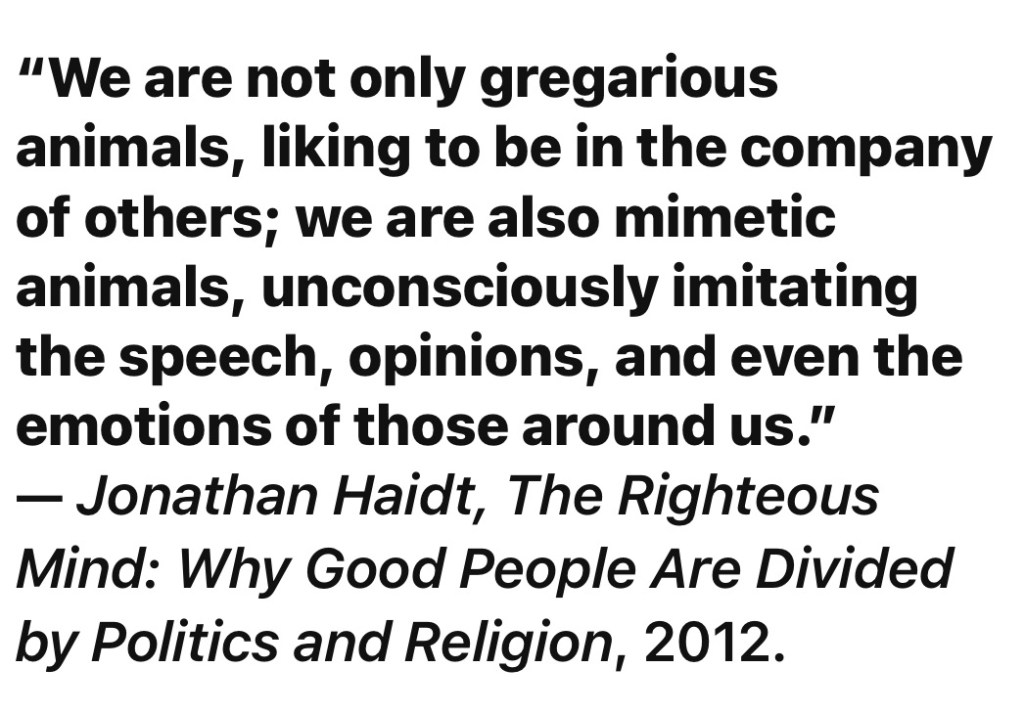
Our era resists conferrence. In a recent Pew study, 71% of Americans under 50 said belief in God is not necessary to have good values.⁸
Divine Command Theory counters this cultural autonomy by grounding morality in God’s authority:
“X is morally obligatory if and only if God has commanded X.”
Without divine authority, ethics and identity become fluid constructs, shaped by trends, not truth. Ask yourself, “Who told you who you are, and where did you learn to identify yourself? Is it even true?


Practical Application – Recognising the Voice that Restores
Jesus doesn’t just call generically, He leads. The call of Christ is not static; it is a journey from lostness to belonging.
Identity is not a project you finish, but a relationship you follow. The question is not just who are you, but whose are you?
Search the Holy Bible for all the names God calls us, and then ask what those names imply about who we should be.

Prayer
Lord God,
In a world of noise, let Your voice be the one we hear. In a culture of construction, let us receive our identity from Your hand.
Where we have followed strangers, lead us back to You. Forgive us for our self-centeredness, and help us become who You name us to be.
In Your Holy Name King Jesus,
Amen.

Footnotes
1. Deepak Chopra, The Book of Secrets, 85.
2. Hans Frei, The Eclipse of Biblical Narrative, 13.
3. Eckhart Tolle, A New Earth, 27.
4. Carl Rogers, On Becoming a Person, 487.
5. Jonathan Edwards, On the Christian Life, 21.
6. Scott Hahn, The Mystery of the Family of God, 7.
7. Anselm, The Ontological Argument, 1.
8. Pew Research Center, “Many People Say It’s Not Necessary to Believe in God to Be Moral,” April 2023.

 #Hayibo