These essays span physics and neuroscience, anthropology and history, but they all orbit the same core: The image of God in the human person, hidden by science, distorted by history, but never erased.
Creation Speaks in Code: From Fields to Flesh
In From Fields to Flesh, the theological case is made that creation is not mute. Quantum fields, fine-tuned constants, and mathematical symmetry echo an intelligence deeper than randomness. The cosmos is not self-caused chaos, it is structured language.¹
This echoes John Polkinghorne’s argument that the intelligibility of the universe implies it was designed by a rational mind.² N.T. Wright similarly suggests that “creation itself is a signpost to divine intention.”³
If the universe can be read, then someone wrote it. And if it took on flesh in Christ, then that Someone is personal, present, and speaking still.
The Soul Refuses to Be Simulated: Chemical Gods and Leaky Vats
In Chemical Gods and Leaky Vats, the limits of materialism are exposed. Thought experiments like the “brain in a vat” collapse under the weight of their own logic. Consciousness, self-awareness, and moral intuition cannot be reduced to electrochemical reactions without self-erasing the questioner.⁴
As Thomas Nagel argues, “reductionist physicalism cannot account for the subjective nature of experience.”⁵ Even leading neuroscientist Mario Beauregard insists that the mind is “more than the brain”, it exhibits intentionality, free will, and immaterial qualities.⁶
If the mind can doubt matter, then the mind is not reducible to matter. The soul is not an illusion—it is an echo of divine breath (Genesis 2:7).
You Are Not Your Cortex: Mind, Science & Assumptions
In Mind: Science & Assumptions, the blog confronts the epistemological overreach of neuroscience, namely, the tendency to conflate brain activity with moral authority. It critiques the illusion that MRI scans can replace meaning or justify belief.
C.S. Lewis anticipated this problem in The Abolition of Man, warning that if we explain away all feelings and thoughts as mere physical responses, “we explain away our humanity.”⁷ John Lennox similarly cautions that “thinking about thinking” cannot be explained by the very matter it seeks to investigate.⁸
The mind may use the brain, but it is not from the brain. Human beings are not machines, they are moral agents, made in the image of the Mind behind the universe.
You Are Not Your Genome: Genes, Ghosts, and Golden Claims
In Genes, Ghosts, and Golden Claims, a critique of genetic supremacy is offered. While genetics can trace mutation and migration, it cannot measure worth. Attempts to elevate one phenotype or ancestry as superior—whether by white supremacists or their inverted counterparts, are exposed as idolatry.⁹
Theologian John Stott reminds us that Christian identity is rooted in new birth, not natural birth.¹⁰ Moreover, recent genetic clocks like Y-chromosome Adam and mitochondrial Eve suggest a single human ancestry, aligning unexpectedly with the Genesis account.¹¹ Nathaniel Jeanson’s genetic modelling argues that population growth from Noah’s family fits known mutation rates and ancestry timelines.¹²
DNA can trace your heritage, but it cannot determine your dignity. Only the cross of Christ has the authority to define who you are and who you can become.
The Oppressed Remember the Truth: When the Lion Writes Back
In When the Lion Writes Back, the conversation shifts to history and voice. If history was written by the powerful, then theology must now be reclaimed by the truthful. The marginalised are no longer asking permission to speak, they are roaring back with the authority of survival and revelation.
This reflects Kwame Bediako’s insistence that African theology is not a derivative of European categories, but a renewed articulation of the gospel in historically silenced spaces.¹³ Similarly, Willie James Jennings argues that Christianity must be decolonised to recover its rootedness in the incarnation.¹⁴
When the marginalised interpret the Word, the result is not revision—it is resurrection. The Lion of Judah is no mascot of empire. He is the voice of the oppressed, the risen Lord of all.
So What Does It All Mean?
Together, these five essays say this:
You are not atoms.
You are not ancestry.
You are not algorithms.
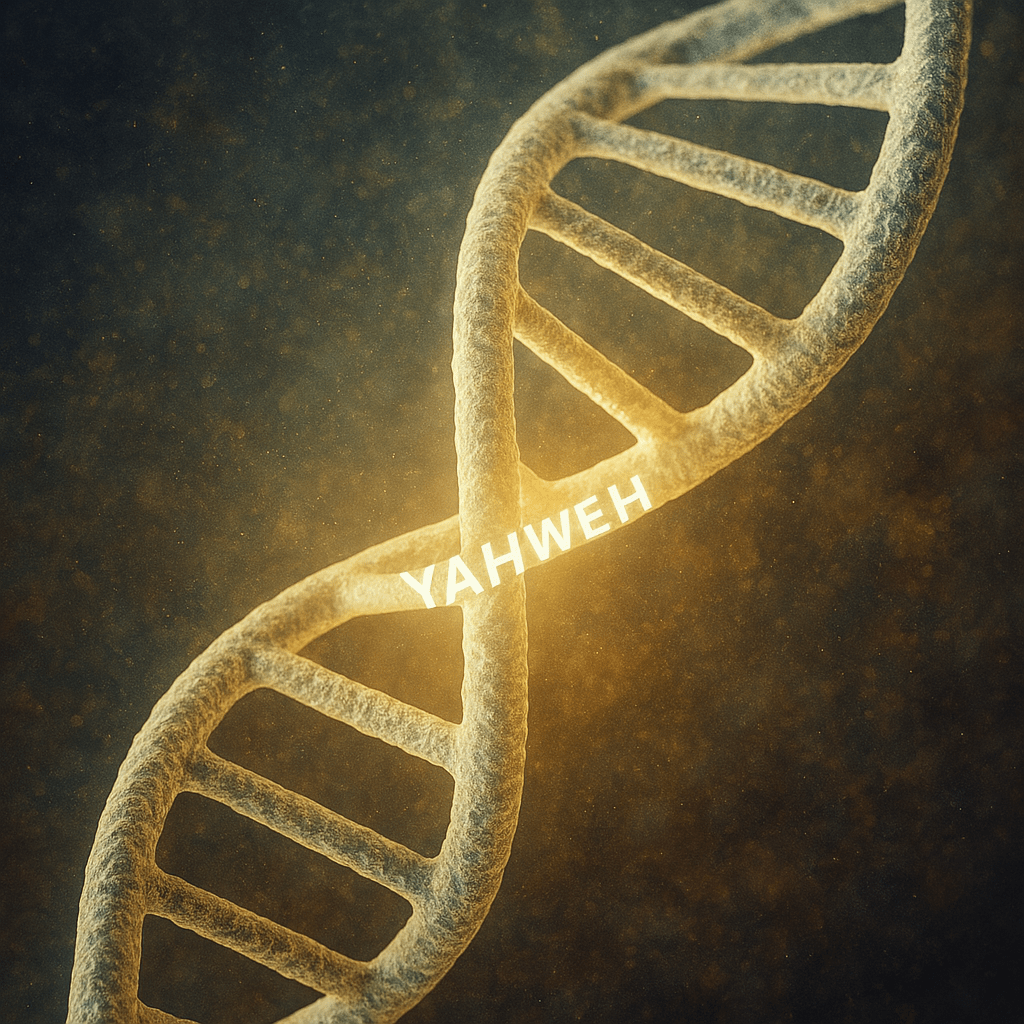
You are dust, yes, but divine dust, made for glory, imprinted with the breath of God, restored by the blood of Christ.
If creation speaks, it points to a Creator. If the mind thinks, it reflects the eternal Word. If the body exists, it was crafted with purpose. If the genome maps history, it confirms our shared origin. If the marginalised remember, it is because God was always there, hidden with them in suffering.
And in the end?
“A great multitude that no one could number, from every nation, from all tribes and peoples and languages,
standing before the throne and before the Lamb…” — Revelation 7:9
That’s where this story ends.
Not in pigment.
Not in pixels.
But in praise.
Practical Application: Living as a Fully Human Image-Bearer
Pic. Credits: Psychology Today
This isn’t just a theology of humanity, it’s an invitation to live differently.
If we are created, not accidental…
If our minds are shaped by the divine, not merely by matter…
If our bodies carry the breath of God, not just sequences of DNA…
Then we must live as people who reflect glory, not confusion.
Here’s how:
Remember who you are. Your worth is not earned, invented, or inherited through ancestry. It is received from the One who made you in His image and redeemed you by His blood. Honour others as image-bearers. From the womb to the elderly, from neighbour to foreigner, from the majority to the marginalised, every person carries the imago Dei. No label can add or subtract from their value. Refuse supremacy in all its forms. Whether cloaked in whiteness, blackness, intelligence, wealth, or theological elitism, supremacy is always a lie. The ground is level at the foot of the cross. Speak against lies dressed as science. Be gracious, but bold. Challenge reductionism. Push back when identity is flattened into biology or history is weaponised into silence. Live with awe. If quantum fields and chromosomes are singing His name, then wonder is worship. Let creation stir reverence, not pride. Worship with destiny in mind. Every act of praise, every act of justice, and every embrace of difference is a rehearsal for Revelation 7:9.
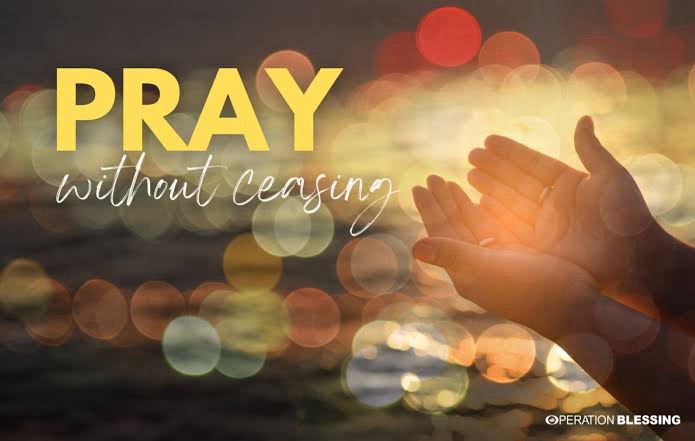
Prayer: From Dust to Destiny
Pic. Credits: Operation Blessing
Father God, Jesus, Holy Spirit, Maker, Saviour, Breath of Life,
Thank You for forming us in Your image, for giving us minds that wonder, hearts that feel, and bodies that carry Your design.
Forgive the lies we’ve believed, that worth comes from skin, status, or science.
Remind us who we are: dust, yes, but dust destined for glory. Make us holy, humble, and human again. And let us live today as those already gathered around Your throne.
In Jesus’ Holy Name,
Amen.
References
Pic. Credits: Scientific American
1. Arion JB, From Fields to Flesh: How Creation Still Whispers the Divine, April 12, 2025.
2. John Polkinghorne, Science and Creation: The Search for Understanding (SPCK, 1988).
3. N.T. Wright, Simply Christian (SPCK, 2006), chap. 2.
4. Arion JB, Chemical Gods and Leaky Vats: Why Materialism Can’t Explain the Soul, April 12, 2025.
5. Thomas Nagel, Mind and Cosmos (Oxford University Press, 2012), 44.
6. Mario Beauregard and Denyse O’Leary, The Spiritual Brain (HarperOne, 2007), chap. 7.
7. C.S. Lewis, The Abolition of Man (HarperOne, 2001), 21.
8. John Lennox, God’s Undertaker: Has Science Buried God? (Lion Hudson, 2009), 95.
9. Arion JB, Genes, Ghosts, and Golden Claims: What Ancient DNA Can—and Can’t—Tell Us, April 14, 2025.
10. John Stott, The Cross of Christ (IVP, 1986), 281. William Lane Craig, In Quest of the Historical Adam (Eerdmans, 2021), 217–21.
11. Nathaniel T. Jeanson, Traced: Human DNA’s Big Surprise (Master Books, 2022), chap. 3.
12. Kwame Bediako, Theology and Identity (Regnum, 1992), 11–17.
18. Willie James Jennings, The Christian Imagination: Theology and the Origins of Race (Yale University Press, 2010), 8–10.
19. Arion JB, When the Lion Writes Back, April 14, 2025.



 #Hayibo